
My neighbor started her health journey last year. She was sixty-two years old. She had never exercised in her life. She ate whatever she wanted. She told me she felt tired all the time and her knees hurt and she could not keep up with her grandkids.
I told her to start small. Just drink water in the morning. Just walk around her house for five minutes. Just eat one vegetable with dinner. She did those three things. Nothing else. For healthy lifestyle tips for beginners at home.
Now she walks thirty minutes every morning. She cooks her own meals. She sleeps better than she has in decades. She told me last week she feels like a different person.
That is what this is about. Small changes. Done consistently. Right where you are.
Your Home Is All You Need
People spend so much money trying to get healthy. Gym memberships. Personal trainers. Fancy equipment. Meal delivery services. Detox teas. Weight loss shakes.
You do not need any of that.
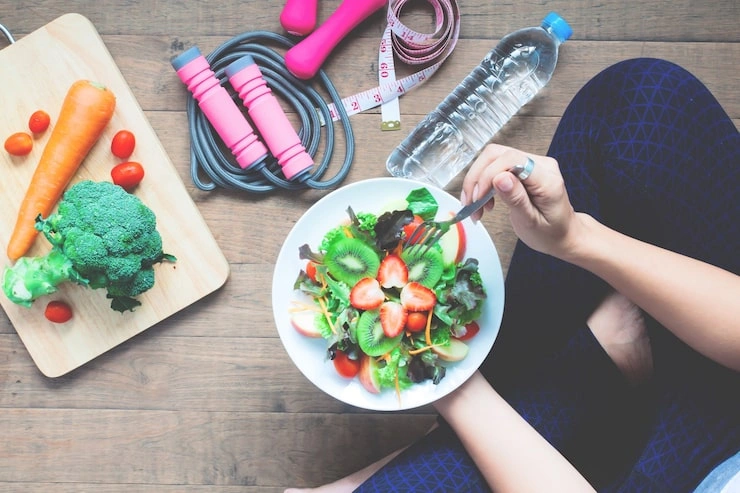
Everything you need is sitting in your house right now. Your kitchen has food. Your living room has floor space. Your body has weight. That is enough.
When you start at home, you do not feel embarrassed. Nobody watches you. Nobody judges you. You can try something and mess up and try again. That freedom matters.
You also save money. So much money. Gym memberships cost hundreds of dollars a year. Fitness classes add up. Specialty health foods are expensive. At home you use regular groceries. You use your own body. You drink tap water.
And the timing works better. Some people are morning people. Some people are night people. At home you choose your own schedule.
Start Your Morning Right
Wake Up At The Same Time
Your body likes routine. It has its own clock. This clock does not care if it is Saturday. It does not care if you stayed up late. It wants consistency.
When you wake up at different times every day, that clock gets confused. You feel groggy. Your energy drops. You cannot fall asleep at night.
Set your alarm for the same time every day. Yes, that means weekends too.
Put your alarm across the room. You have to stand up to turn it off. Once you are standing, you are less likely to go back to bed.
Drink Water First
Your body goes all night without water. You wake up dehydrated even if you do not feel it.
Drink water right away. It wakes up your brain. It gets your stomach ready for food. Your energy comes up naturally.
Keep water on your nightstand. Drink it before your feet touch the floor.
Plain water boring? Squeeze lemon in it. Add cucumber. Even a little flavor helps.
Stretch In Bed
Most people grab their phone first thing. They check emails. They scroll social media. They start their day with everyone else's problems.
Instead, stretch.
Point your toes. Point them back. Reach your arms overhead. Roll your shoulders. Turn your head slowly.
Two minutes. That is all. Your muscles wake up. Your blood flows better. You feel ready.
Open Your Curtains
Light tells your brain to stop making sleep chemicals. It tells your brain to start making wake-up chemicals.
Open your curtains. Turn on bright lights. Look outside for a moment. Notice the sky. Notice the trees.
This small pause gives you peace before the day gets loud.
What You Eat Makes A Difference?
Eat Breakfast
- Your body has been fasting all night. It needs fuel.
- Breakfast within an hour of waking helps your metabolism. Nothing fancy. Oatmeal with fruit. Eggs on toast. Yogurt with nuts.
- Skip sugary cereal. Skip pastries. These spike your blood sugar and then crash it. You feel hungry and tired by mid-morning.
- Protein and fiber keep you full.
Eat Vegetables
- Vegetables give you vitamins and minerals. They fill your stomach without filling you with calories.
- Half your plate at lunch and dinner should be vegetables. Mix colors. Broccoli. Carrots. Peppers. Spinach.
- Hate raw veggies? Cook them. Roast with oil. Steam them. Add to soups. Find what you like.
Cook Your Own Food
- Restaurant food tastes amazing. They use lots of salt and sugar and butter. That is why.
- At home you control what goes in. You can make food taste good with less.
- Start simple. Pasta with tomato sauce. Chicken and rice. Baked fish.
- Cook extra. Save leftovers. Future you will be grateful.
Eat Slowly
- Your brain takes twenty minutes to know your stomach is full.
- If you eat in ten minutes, you keep eating after you are full. You do not feel it until the food is already inside you.
- Put your fork down between bites. Chew slowly. Taste everything. Stop when you feel satisfied, not stuffed.
- And do not eat while watching TV or scrolling your phone. You lose track. Sit at a table and focus on your food.
Stop Drinking Sugar
- A soda has about ten teaspoons of sugar. Juice is almost as bad. Neither fills you up. Both add empty calories.
- Water has zero sugar. Zero calories.
- Bored with plain water? Try sparkling. Add fruit slices. Drink herbal tea.
- Keep water everywhere. On your desk. In your car. By your couch.
Move Your Body
Start With Five Minutes
- People think exercise must last an hour. That stops them from starting.
- Start with five minutes. Walk around your house. March in place. Stretch on your floor.
- Next week make it ten. Week after make it fifteen. Build slowly. Your body adapts.
Walking Works
- You know how to walk. You have been doing it since you were a toddler.
- Walk from your kitchen to your living room. Walk around your table. Walk in place while on the phone.
- Ten minutes after each meal helps digestion and blood sugar.
Use Your Body
- You do not need weights. Your body is enough.
- Squats. Stand with feet apart. Lower like sitting in a chair. Stand back up. Try ten.
- Push ups. Start on hands and knees. Lower your chest. Push back up. Too hard? Do them against a wall.
- Planks. Lie on your stomach. Lift onto your toes and forearms. Hold ten seconds.
Take Breaks From Sitting
- Sitting makes your muscles tight. Your back hurts. Your energy drops.
- Set a timer for every hour. Stand up. Stretch. Walk to the healthy lifestyle tips for beginners at home.
- One minute breaks add up.
Dance
- Dancing is exercise without the misery.
- Put on your favorite songs. Move however you want. Wave your arms. Shake your hips.
- Ten minutes changes your mood.
Sleep Is Important
Go To Bed The Same Time
- Your body repairs itself while you sleep. Your brain processes the day. Your immune system gets stronger.
- Going to bed at the same time trains your body. Falling asleep gets easier.
- Pick a bedtime that gives you seven to nine hours. Stick with it. Weekends too.
Put Screens Away
- Blue light from screens tricks your brain. It thinks the sun is still out. It holds back sleep hormones.
- Stop using devices an hour before bed.
- Read a paper book. Listen to music. Talk to someone.
Make Your Room Sleep-Friendly
Dark. Quiet. Cool.
- Blackout curtains block light. Wear an eye mask. Use earplugs. Keep the temperature around 65 degrees.
- Keep your bedroom for sleep only. No work. No TV.
No Big Meals Late
- Digestion takes energy. Eating a big meal before bed keeps your body working instead of resting.
- Eat your last meal three hours before bed.
- If you get hungry, eat something light. A banana. A glass of milk.
- Stop caffeine by mid-afternoon.
Manage Stress
Breathe Deep
- Stress raises your heart rate. It tightens your muscles. It disrupts your sleep.
- Deep breathing calms you down.
- Sit comfortably. Breathe in through your nose. Count to four. Hold. Breathe out through your mouth. Count to four.
- Do this five times whenever you feel stressed. Anywhere. One minute. It works.
Write Your Worries
- Thoughts spin in your head. Writing stops the spin.
- Keep a notebook. Write three things bothering you. Write three things that went well.
- This balances your perspective.
Spend Time With Good People
- Good people protect your mental health. Laughter lowers stress. Connection helps you live longer.
- Spend time with family. Call friends. Join groups.
- Even fifteen minutes makes a difference.
Have Fun
- Life gets too serious. Fun is not wasted time.
- Garden. Color. Cook something new. Play a game. Watch something funny.
- These recharge you.
Track Without Obsessing
Write It Down
- Tracking keeps you honest.
- Write what you eat. What exercise you did. How you slept. How you feel.
- Paper and pen. Two minutes before bed.
Celebrate Small Wins
- Big results take time. People give up because they do not see fast changes.
- Look for small wins. Drank water? Win. Walked five minutes? Win. Chose vegetables? Big win.
- Celebrate these. Tell someone. Give yourself credit.
Stop Weighing Daily
- Your weight fluctuates. Water weight. Food weight. Hormones.
- Weigh once a week. Same time. Morning is best.
- But remember the scale is not everything. How do your clothes feel? How is your energy? How is your sleep?
Set Up Your Home
Keep Good Food Visible
- You eat what you see.
- Put fruit on the counter. Keep vegetables at eye level in the fridge. Hide the junk.
Make An Exercise Space
- You do not need a gym. Just a small space to move.
- Clear an area in your living room. A mat helps. Keep shoes nearby. Keep water nearby.
- Seeing this space reminds you to use it.
Keep Water Close
- Water close by means you drink more.
- Bottle on your desk. Pitcher in your fridge. Glass in your bathroom.
Build Habits That Stick
Change One Thing
- Changing everything at once leads to burnout.
- Pick one thing this week. Only one.
- Drink water. Or eat a vegetable. Or walk five minutes.
- Do it until it feels automatic. Usually about three weeks. Then add another.
Be Kind To Yourself
- Bad days happen. You will miss your walk. You will eat too much. This is normal.
- Do not punish yourself. Do not skip tomorrow because you messed up today.
- Just start fresh the next morning.
- Talk to yourself kindly.
Remember Why
Why are you doing this?
Maybe you want more energy. Maybe you want to keep up with your kids. Maybe you want to feel proud. Write your reasons down. Put them on your mirror. On your fridge. Read them when you feel like healthy lifestyle tips for beginners at home.
FAQs
When Will I See Changes?
Sleep improves in the first week. Energy improves in a few days. Weight takes longer. Give it a month or two.
Do I Need Exercise Every Day?
No. Rest days matter. Shoot for five days a week. On rest days, stretch or walk.
Can I Still Have Treats?
Yes. Health is about what you do most of the time. Enjoy treats sometimes.
No Time To Cook?
Buy pre-washed salads. Use frozen vegetables. Cook big batches on Sunday. Keep nuts and yogurt for snacks.
How Much Water?
Eight glasses is the guideline. Check your urine. Light yellow means good. Dark yellow means drink more.
Too Old To Start?
Never. People in their sixties and seventies start and feel better within weeks.