Canned beans are the most underrated shortcut in a healthy kitchen. They cost little, last for years, and turn into a real meal in less time than it takes to order takeout. But most people treat them as a backup plan—something to open when the fridge is empty. That is a mistake. With a few simple moves, a can of beans becomes the base for meals you will actually look forward to eating.
This guide is not a list of recipes you need to memorize. It is a set of approaches you can apply to whatever can is in your pantry right now. White beans, black beans, chickpeas, pinto beans—each one works with these methods. You will find specific dishes, but more importantly, you will learn how to build your easy healthy meals with canned beans.
Why Canned Beans Deserve a Spot in Your Regular Rotation?
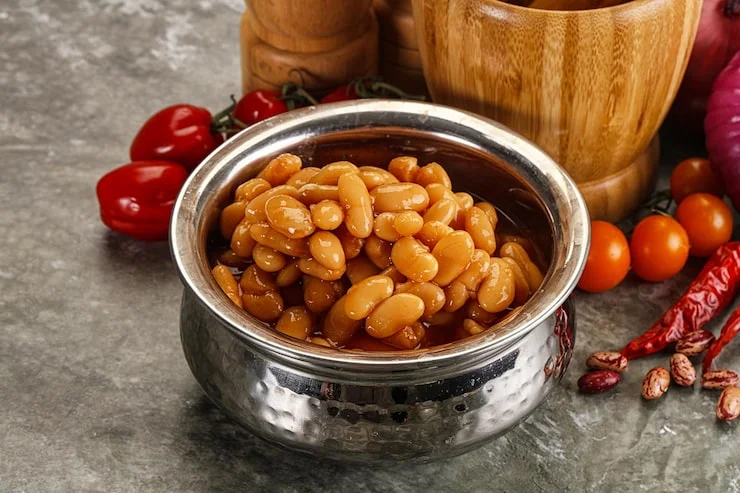
The nutrition case is straightforward. Beans deliver plant protein and fiber in one package, along with potassium, magnesium, and folate . That combination keeps you full longer than a plate of pasta alone and does it without much fat.
There is also a practical advantage that rarely gets mentioned: canned beans are already cooked. You do not need to soak, simmer, or wait. Open the can, rinse if you want to reduce sodium, and the ingredient is ready. For anyone cooking after a long day, that difference matters more than almost any other factor.
One thing worth knowing: the liquid in the can is not waste. That starchy liquid thickens soups and sauces and adds body to dishes where you would otherwise need cream or butter . Keep it when you are making soup. Rinse it away when you want the beans to stay firm in a salad.
Read Also: Easy Paneer Recipes With Gravy
The Skillet Method: Dinner in One Pan
A bean skillet is the fastest route from can to table. The idea is simple: put beans in a hot pan with something savory, let them soften and absorb flavor, and finish with something fresh or creamy.
Start with a can of white beans, drained but not rinsed dry. Heat a little olive oil in a wide pan. Add garlic and cook it just until it smells sweet—thirty seconds or so. Add the beans, a splash of broth or water, and a pinch of salt. Let them bubble for five to eight minutes, mashing a few beans against the side of the pan with a spoon. The mashed beans thicken the liquid into something sauce-like. Stir in a handful of spinach or kale at the end and let it wilt. Spoon the whole thing over toast, or eat it straight from the pan with a fork.
This method works with chickpeas too, though they hold their shape more firmly. For chickpeas, add a spoonful of tomato paste and a shake of smoked paprika before the liquid goes in. The paste darkens and sweetens against the hot pan, and the chickpeas pick up that smoky depth.
The skillet approach is forgiving. If you have half an onion, chop it and cook it before the garlic. If you have a lemon, squeeze it over the top before serving. If you have cheese, grate it over the pan and let it melt under a lid for a minute. None of these additions are required. The beans and garlic and olive oil will carry the dish on their own.
Cold Beans: Salads That Do Not Feel Like Sad Desk Lunches
Canned beans are excellent cold. They have a creamy texture that holds up in the fridge and a mild flavor that takes well to sharp dressings.
The formula for a bean salad that actually satisfies is this: one can of beans, something crunchy, something salty or briny, and a dressing with acid and fat. That is it. From there, you can vary everything.
Take a can of chickpeas, rinse them well, and dry them on a towel. Chop celery and red onion finely. Add a handful of chopped parsley. Dress with lemon juice, olive oil, salt, and a lot of black pepper. Let it sit in the fridge for twenty minutes before eating. The onion softens slightly in the acid, and the chickpeas absorb the lemon. This keeps for three days and gets better on day two .
For a heartier version, use white beans and add a can of tuna packed in olive oil. Do not drain the tuna too aggressively—the oil becomes part of the dressing. Add thinly sliced red onion that has been soaked in ice water for five minutes to take the bite out. A squeeze of lemon and a handful of arugula turn it into something you would pay for at a cafe .
Black beans work cold too, but they need more assertive flavors. Toss them with lime juice, cumin, chopped jalapeño, and cilantro. Serve over shredded cabbage with sliced avocado. The cabbage stays crisp, the beans give weight, and the avocado brings richness. This is a no-cook meal that takes ten minutes and travels well in a container .
Soups and Stews: Where the Can Liquid Earns Its Keep
When you make bean soup, do not drain the beans. That liquid is starchy and slightly thick, and it gives the broth a body that would otherwise require hours of simmering or a splash of cream.
A white bean and kale soup is the simplest version. Cook chopped onion and carrot in olive oil until soft. Add garlic and a pinch of red pepper flakes. Pour in two cans of white beans with their liquid, plus enough water or broth to cover. Simmer for fifteen minutes, then mash some of the beans against the pot. Add chopped kale and cook until it wilts. Taste and adjust salt. A parmesan rind thrown in during the simmer makes it taste like it cooked all day .
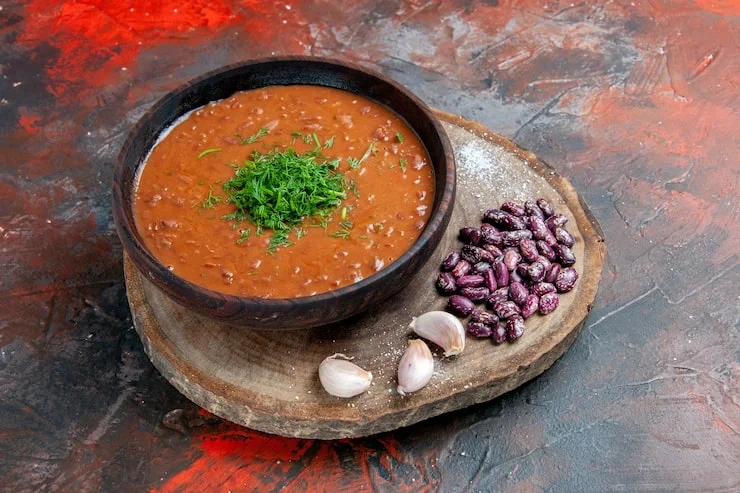
Black bean soup takes a similar approach but goes in a different direction. Cook onion and bell pepper, add cumin and chili powder, then add black beans with their liquid and a can of fire-roasted tomatoes. Simmer and mash partially. A spoonful of cream cheese stirred in at the end adds a silky texture without turning it into a heavy dish . If you want it spicier, add chopped chipotle in adobo. If you want it brighter, finish with lime juice.
The key with bean soups is seasoning at the end, not just the beginning. Canned beans already contain salt, so taste before you add more. Acid—lemon, lime, or a splash of vinegar—wakes up the flavors in a way that salt alone cannot.
Bowls and Grain Bases: The Assembly Approach
A grain bowl is less a recipe than a way of arranging food. Cook a grain—rice, quinoa, farro, whatever you have—and put beans on top of it with vegetables and a sauce. The beans do not need to be cooked again. They just need to be warm or room temperature.
The Friday-night version from one writer’s kitchen is worth copying: white or brown rice in a bowl, warm black beans with softened onion, sautéed kale, sliced avocado, and a squeeze of lime . The beans get warmed in a saucepan with their liquid and chopped onion until the onion softens and the liquid bubbles. That is the whole cooking process. Everything else is assembly.
For a Mediterranean direction, use chickpeas with rice or orzo, roasted red pepper, cucumber, and a dressing of tahini thinned with lemon and water. For a Mexican direction, use black beans with rice, corn, salsa, and avocado. For an Italian direction, use white beans with farro, roasted cherry tomatoes, and pesto thinned with a little pasta water.
The point is not to follow a specific recipe. The point is to recognize that a can of beans plus a grain plus a vegetable plus a sauce is a complete meal, and the combinations are nearly endless.
You May Also Like: Top Indian Vegetarian Dishes You Should Try
Snacks and Small Plates: Beans Beyond the Main Dish
Roasted chickpeas are the most obvious bean snack, and they are good. Drain and dry a can of chickpeas thoroughly—pat them with a towel and let them sit for a few minutes. Toss with olive oil and salt, spread on a sheet pan, and roast at 400°F for twenty-five to thirty minutes, shaking the pan once. They come out crunchy and light. Season them with smoked paprika and cumin, or with curry powder, or with nothing but salt and a squeeze of lemon after they come out of the easy healthy meals with canned beans.
But roasted chickpeas are not the only option. White beans mashed with a fork, mixed with olive oil, lemon zest, and salt, spread on crackers or toast, make a snack that feels more substantial than hummus from a tub. Add a few drops of hot sauce if you want heat. Add chopped olives if you want brine. This takes three minutes and uses one bowl.
Black beans can go sweet. Brownies made with black beans are a real thing, and they work because the beans add moisture and structure without competing with the cocoa. The beans get rinsed well and blended smooth before going into the batter. The result is fudgy and dense, and no one guesses the secret ingredient . This is not a health food argument—it is a practical way to use a can of beans when you want something sweet and do not want to go to the store.
What to Keep in Mind?
Rinse the beans when you want them firm and when sodium is a concern. Do not rinse when you want the liquid to thicken a soup or sauce. Taste before you salt, because canned beans vary widely in how much sodium they carry.
Keep a few cans of different types on hand. White beans for soups and skillets. Chickpeas for salads and roasting. Black beans for bowls and soups with deeper flavor. Pinto beans for mashing and stuffing into tortillas. The variety is not about being fancy—it is about having options when you open the pantry and do not know what you want.