
My kitchen smelled like burnt popcorn for three days. That was my first millet attempt. My wife walked in, coughed, opened all the windows, and asked what died. I told her it was supposed to be dinner. She ordered pizza.
That was two years ago. Now I cook millet every Sunday and keep it in my fridge all week. I am not a chef. I am not a food blogger. I am just someone who figured out the grain everyone else screws up.
The Truth About Millet

It is not bird seed. Well technically it is, but humans ate it first. Archeologists found millet in ancient Chinese pots. Five thousand years old. So before parakeets had it, we had it. India grows the most millet. Africa grows a lot too. It survives drought, poor soil, and intense heat. That is why poor farmers grew it for centuries. Now rich people buy it at organic stores for ten dollars a pound. Funny how easy millet recipes for beginners.
It is gluten free. Actually gluten free. Not processed in a facility that also processes wheat. The grain itself has no gluten. It has iron, magnesium, B vitamins, fiber, protein. Not in crazy amounts. Just decent amounts. Enough that you feel good after eating it.
Different millets confuse me
I stood in the store aisle for fifteen minutes reading bags. Foxtail, pearl, finger, little, sorghum, proso, barnyard. What is the difference. Why are there so many. Who decided this. Foxtail is the beginner one. Mild taste. Predictable cooking time. Harder to ruin than the others. I ruined it anyway but that is on me, not the millet.
Pearl millet is what they eat in Rajasthan. Bigger grains. Chewier. Stronger flavor. Good for winter. Keeps you warm. I do not understand the science but my Indian friend told me and she knows. Finger millet has more calcium than milk. That is not a joke. Look it up. It is called ragi in South India. Babies eat it as porridge. Bones grow strong.
Little millet cooks fast. Small grains. Good for upma, which is a savory breakfast thing. I will give you that recipe later. Sorghum is the big one. People make flour from it. Also used for animal feed in America. But people eat it too. Chewy texture. Takes longer to cook.
Buy foxtail. That is not optional for your first time. Buy foxtail.
Read Also: High Protein Indian Vegetarian Breakfast Ideas
Why I failed the first time?
I poured dry millet straight from the bag into a pot of boiling water. Just like rice. I did not rinse it. I did not soak it. I did not measure the water. I thought I knew what I was doing.
The millet turned into a paste. A bitter paste. With crunchy bits in the middle. I served it to my family. My daughter took one bite and said this is yucky. My wife politely ate half a spoonful and said she was full.
I threw the whole pot in the trash. Then I called my aunt who is from Karnataka. She grew up eating millet every day. She told me I did everything wrong.
The rinse thing
There is a coating on millet. It is called saponin. It tastes bitter. It protects the grain from insects. In your mouth, it tastes like soap. You rinse it off. Put millet in a bowl. Add water. Swirl with your hand. Pour out the cloudy water. Do it again. Keep doing it until the water is clear. Usually takes four or five times.
I tested it once. Cooked rinsed millet and unrinsed millet side by side. The unrinsed one was noticeably more bitter. My wife could tell the difference blindfolded. So do not skip this.
Soaking
People hate soaking. They say they do not plan meals four hours ahead. I get it. I am lazy too. But soaking changes the texture. Soaked millet gets fluffy. Unsoaked millet stays firm. Both are edible. Both are good for different things. If you have time, soak overnight. Put millet in a bowl, cover with water, go to sleep. In the morning, drain it and cook it.
If you do not have time, cook it unsoaked. Use more water. Cook longer. It works. I soak mine on Sunday night. Cook it Monday morning. Keep it in the fridge all week. That is my system.
Water measurements
- This is where most beginners mess up.
- Soaked millet: one and a half cups water for one cup millet.
- Unsoaked millet: two cups water for one cup millet.
- Write that on your fridge. I have it written on a sticky note next to my stove. I still look at it every time. Do not trust your memory.
My stovetop method
- Heavy bottom pot. Not a thin cheap pot. Heavy bottom so heat spreads evenly.
- Add water. Add salt. Add a teaspoon of oil. Oil prevents sticking. Any oil works. I use coconut oil because I like the taste. Olive oil works. Even butter works.
- Bring to a rolling boil. Bubbles everywhere.
- Add the millet. Stir once. One stir. Not multiple stirs. Stirring breaks the grains. Breaks the starch. Makes it sticky.
- Put the lid on. Turn the flame to the lowest setting. The lowest your burner goes.
- Do not lift the lid. Do not check. Do not stir. Leave it alone.
- Set a timer for six minutes if soaked. Ten minutes if unsoaked.
- When the timer goes off, turn off the heat. Do not open the lid. Let it sit for ten minutes.
- After ten minutes, open the lid. Fluff with a fork. The grains will be separate. Not sticky. Not wet. Light.
My rice cooker method
- I got a rice cooker for my wedding. It was a gift. I never used it for rice. I use it for millet.
- Put soaked millet in the rice cooker. Add one and a half cups water. Press the white rice button. Let it cook.
- When it beeps, let it sit for ten minutes. Then fluff.
- That is it. Easier than stovetop. Same result.
- If you do not have a rice cooker, stovetop works fine.
Pressure cooker method
- My aunt uses a pressure cooker. She cooks millet every day. She does not measure water. She just knows.
- For the rest of us, here is the recipe.
- Add millet and water to pressure cooker. Add salt and oil. Close the lid. Cook on medium heat.
- After one whistle on soaked millet, turn off the heat. Two whistles for unsoaked. Let the pressure release naturally. Open when the pin drops.
- This is faster than stovetop. Also more intimidating if you are scared of pressure cookers. I was scared. Now I am not.
What went wrong and how to fix it?
Mushy millet. You used too much water or you stirred it. Next time cut the water by a quarter cup. Keep the lid closed. If it is already mushy, spread it on a baking sheet and put it in the oven at two hundred degrees for ten minutes. It dries out a bit. Not perfect but edible.
Crunchy millet. You did not cook it long enough or you opened the lid and steam escaped. Add a few tablespoons of boiling water. Put the lid back on. Cook two more minutes. Let it rest five more minutes.
Bitter millet. You did not rinse enough. This is hard to fix. You can try rinsing cooked millet under hot water. It washes away some bitterness. But it also washes away flavor. Sometimes you just throw it out and start over.
Burnt bottom. Your heat was too high. Millet needs the lowest setting. If your stove runs hot, use a heat diffuser. Or cook it in the oven.
Sticky mess. You stirred it. I told you not to stir. Do not stir next time.
Recipe one: plain millet
- This is the base. Learn this and you can do anything.
- One cup foxtail millet. Rinse. Soak overnight. Drain.
- Bring one and a half cups water to a boil. Add half teaspoon salt. Add one teaspoon oil.
- Add millet. Stir once. Cover. Lowest heat. Six minutes.
- Turn off heat. Rest ten minutes. Fluff with fork.
- Eat it with butter. Eat it with salt and pepper. Eat it with whatever you want. It is just easy millet recipes for beginners.
Recipe two: breakfast porridge
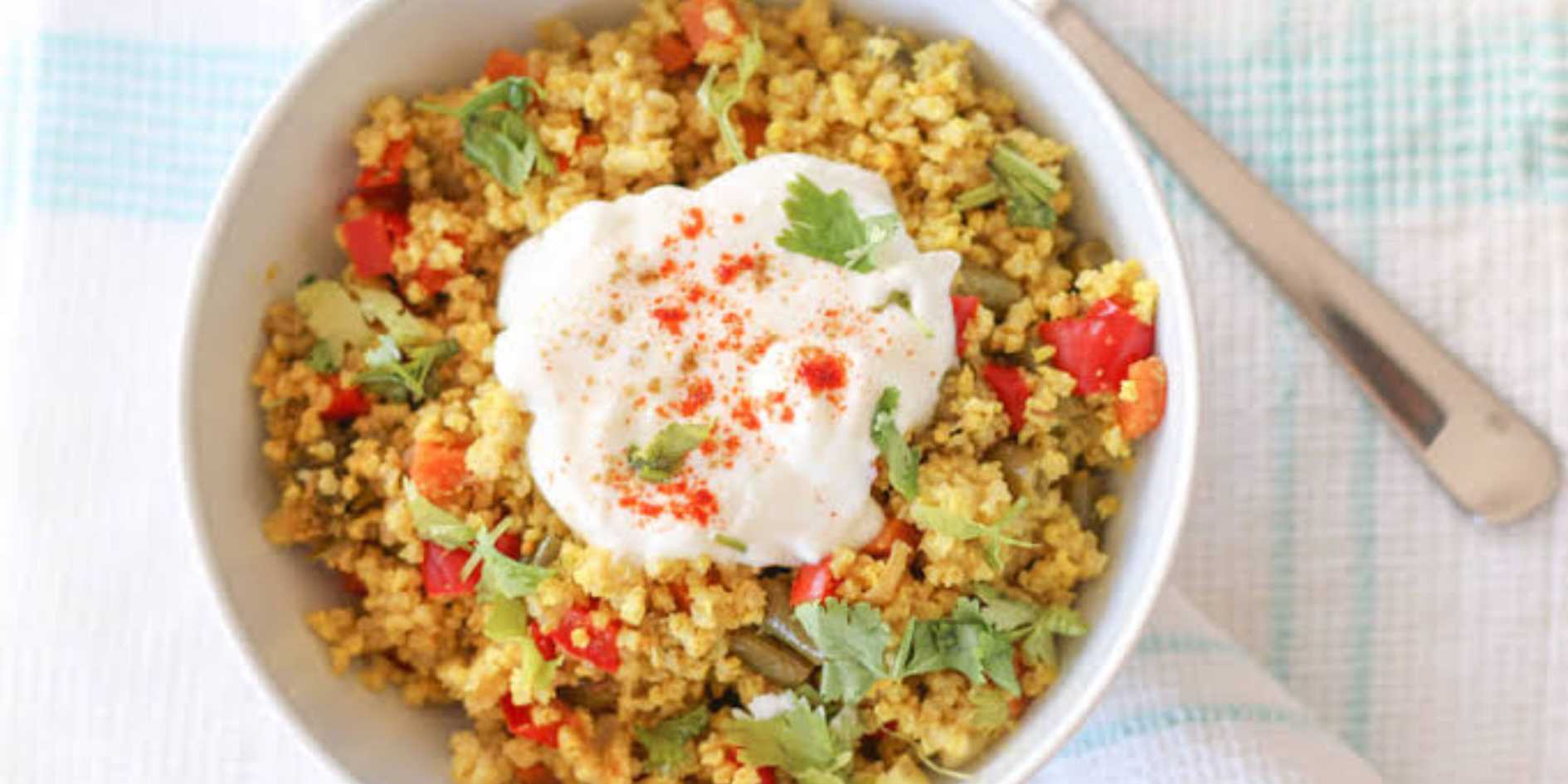
I eat this on cold mornings. Warm, sweet, filling. Cook one cup millet using the plain method. While it is hot, mash a ripe banana into it. The banana melts into the grain. Add chopped dates or raisins. Add cinnamon. Pour milk over it. Almond milk, cow milk, coconut milk, whatever. Stir it. Eat it warm. Sometimes I put chopped walnuts on top. Sometimes I do not. Depends on what I have.
Recipe three: vegetable millet
- This is my weeknight dinner. One pot. Few dishes. Quick.
- Cook millet first. Set it aside.
- Same pot. Heat two teaspoons oil. Add one chopped onion. Cook until soft.
- Add one chopped tomato. Cook until it breaks down.
- Add vegetables. Carrots, peas, beans, bell pepper, whatever you have. Frozen vegetables are fine. Canned vegetables are fine. Drain canned vegetables first.
- Cook five minutes. Vegetables soften.
- Add the cooked millet back in. Add salt. Add turmeric. Add red chili powder if you want heat.
- Stir everything. Cook two more minutes.
- Squeeze lemon on top. Eat.
Recipe four: millet patties
- These are like veggie burgers. My first batch fell apart. My second batch held together.
- Cook two cups millet. Let it cool completely. Cold millet is easier to work with.
- Mash the millet in a bowl with your hands. Add one boiled potato. Mash it together. The potato is glue.
- Add chopped onion. Chopped coriander. Salt. Cumin powder.
- Add one beaten egg if you eat eggs. If you do not, add chickpea flour. Two tablespoons.
- Mix everything. Form patties with your hands. Half inch thick.
- Heat oil in a pan. Medium heat. Cook patties three minutes per side. Golden brown.
- Serve with yogurt. Serve with chutney. Serve with ketchup. I use ketchup. Do not judge me.
Recipe five: cold millet salad
- Summer lunch. No stove except for cooking the millet the night before.
- Cook millet. Put it in the fridge overnight.
- Next day, put cold millet in a bowl. Add chopped cucumber. Chopped tomato. Chopped red onion. Chopped mint or coriander.
- Make dressing. Lemon juice, olive oil, salt, black pepper.
- Pour dressing over salad. Toss. Eat cold.
- This stays good in the fridge for two days. Good for work lunches.
Storing cooked millet
- Fridge for four days. Glass container. Plastic traps moisture and makes it soggy.
- Freezer for three months. Portion into one cup amounts before freezing. Thaw in the fridge overnight.
- Reheat with a splash of water. Microwave covered. Or stovetop on low heat.
You May Also Like: Best Indian Foods For Gut Health And Digestion
Things nobody tells you
Do not buy from bulk bins. Bulk bins have old grain sometimes. Old millet takes longer to cook. Gets hard. Check the expiry date. Buy sealed bags. White millet is hulled. The outer layer is removed. Cooks faster. Brown millet has the hull on. More fiber. Longer cooking. White for beginners. Millet flour exists for baking. You are not baking. You are cooking whole grain. Make sure you buy whole grain, not flour. One cup dry millet makes three cups cooked. Keep that in mind when scaling recipes.
Do you have to soak?
- No. But the texture is different.
- Unsoaked millet has separate grains. Firm. Almost like couscous. Good for salads. Good for pilafs.
- Soaked millet is softer. More like rice. Good for porridge. Good for eating with curries.
- I soak when I have time. I skip when I do not. Both work.
What to eat with millet?
- Curries. Stews. Soups. Roasted vegetables. Fried eggs. Beans. Lentils. Fish. Chicken.
- Millet does not have a strong flavor. It picks up whatever you put on it. That is its strength.
- Replace rice with millet anywhere you use rice. Biryani. Fried rice. Stuffed peppers. Burrito bowls.
- It works. Try it once. See if you like it.
Why people give up?
They try once. It goes wrong. They think it is the grain. It is not the grain. It is the method. Every grain has a learning curve. Rice has a learning curve. Quinoa has a learning curve. Millet has a learning curve. You cannot get it right the first time.
If your first batch is bad, eat it anyway. Add butter. Add salt. Add cheese. Add hot sauce. Cheese and hot sauce fix almost anything. Try again next time.
My routine now
- Sunday night I soak millet. Monday morning I cook it. I keep it in a glass container in the fridge.
- Every morning I scoop out a cup. Heat it with milk and fruit. Breakfast in five minutes.
- Every lunch I add it to my salad. Extra fiber. Extra fullness.
- Every dinner I throw it into whatever I am cooking. Soup, stir fry, curry. Extra nutrition without extra effort.
- Once you have cooked millet ready, it becomes easy. The hard part is cooking it. Once that is done, everything else is simple.
Different millets need different water
- Foxtail: one and a half cups water.
- Pearl: two cups water.
- Finger: two and a quarter cups water.
- Little: one and a quarter cups water.
- Sorghum: two and a half cups water.
- Check the package. The manufacturer knows their grain. Follow their instructions. Adjust after your first try.
- Altitude matters too. High altitude needs more water and longer cooking. Sea level needs less.
- Your stove matters. Gas stove runs hotter than electric. Induction runs hotter than gas. Adjust.
- Cooking is not exact. It is adjustment. Each time you cook, you learn your equipment.
Conclusion
Millet is not hard. It just has rules. Rinse. Soak. Low heat. Rest. Follow those and you will be fine. Do not follow those and you get bitter sticky mess. That is on you, not on millet. Cook it once this week. Cook it again next week. By the third week you will not even think about it. You will just do it. And if you mess up, eat it anyway. Add butter. Add salt. Add hot sauce. Try again tomorrow.