
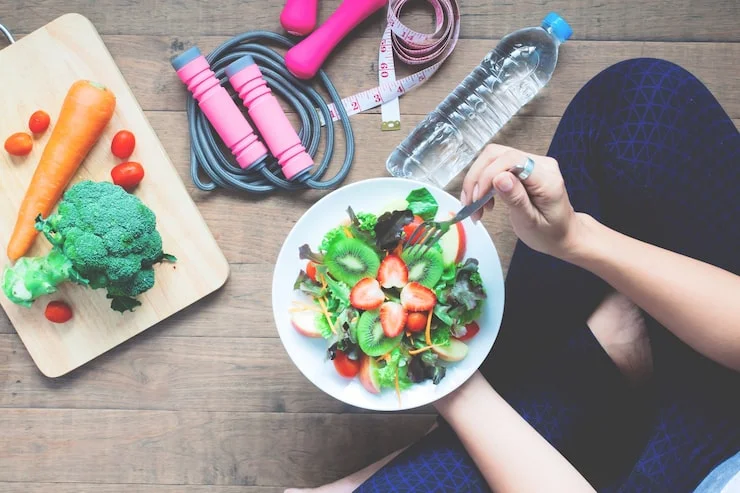
Your thirties are a strange decade. You are not old, but you are not invincible anymore either. You might notice that the late-night pizza that used to be harmless now shows up on your face or your waistline three days later. You might feel tired in a way that sleep does not fix. And you might be busier than ever, pulled between work, relationships, family, and the simple act of trying to keep your life running.
The good news is that your thirties are actually the perfect time to build habits that will carry you through the next several decades. Your body is still adaptable. You are old enough to understand consequences and young enough to do something about them. What follows is not a list of impossible rules. It is a set of practical changes you can start making this week, based on what medical professionals actually recommend for women in this stage of healthy lifestyle tips for women over 30.
Start With Your Bones Before You Notice a Problem
Most women do not think about bone health in their thirties. That is a mistake. According to specialists at Cedars-Sinai, women begin losing bone density around age 35, and you lose a certain percentage every year after that no matter what you do . You cannot feel this happening. There is no ache or warning sign. But the choices you make now determine whether you will be fragile at 60 or strong at 60.
The fix is not complicated. You need two things: calcium and weight-bearing movement. Aim for about 1,000 milligrams of calcium daily and 600 international units of vitamin D, which helps your body absorb the calcium . That looks like a serving of plain yogurt, a handful of almonds, and a cup of fortified milk spread across your day. If you eat very little dairy, talk to your doctor about a supplement.
For movement, you need to put stress on your bones. Walking on flat pavement is better than nothing, but it does not challenge your skeleton much. Running, brisk walking on uneven ground, or lifting weights sends a signal to your bones that they need to stay dense . Two days a week of strength training is enough to start. You do not need a gym membership. A pair of dumbbells and twenty minutes in your living room will do.
Eat Real Food, Not Fad Diets

The diet industry has spent decades convincing women that the answer is always some new restriction. Cutting carbs. Fasting for sixteen hours. Drinking celery juice for a week. Most of this is noise. The doctors at Cedars-Sinai are direct about the problem with fad diets: they lead to yo-yo-ing, where you lose weight and gain it back, often ending up heavier than where you started .
What actually works for most women in their thirties is boring and sustainable. Eat whole foods. Emphasize plants. Get enough protein so you do not lose muscle as you age. Do not skip meals and then wonder why you are ravenous at ten at night. The goal is a pattern you can keep for years, not a three-week experiment that leaves you miserable.
One practical shift: stop drinking your calories. Sugary coffee drinks, juice, and alcohol add up quickly and do not make you feel full. Swap one of those for water or unsweetened tea each day and you will notice a difference without feeling deprived.
Read Also: How To Maintain Good Health After 40
Move Your Body in Ways You Do Not Hate
Exercise advice often sounds like punishment. Thirty minutes of moderate activity daily, plus two days of muscle-strengthening work each week, is the standard recommendation for women in their thirties . That sounds like a lot until you realize it does not have to happen in a gym.
The best exercise is the one you will actually do. If you hate running, do not run. Dance in your kitchen. Take a long walk with a friend. Join a recreational sports league. The physical benefits of movement are real, but they only matter if you keep doing it. The women who stay active through their thirties and beyond are not the ones with the most discipline. They are the ones who found something they genuinely enjoy.
That said, do not skip strength training entirely. Muscle mass declines slowly after thirty, and the only way to slow that decline is to use your muscles against resistance. Start with bodyweight exercises like squats, push-ups on your knees, and lunges. Add weight when those feel easy.
Protect Your Skin Like It Matters, Because It Does
Skin damage accumulates quietly. The sun you got at twenty-two does not show up until you are thirty-eight. Dermatologists at Cedars-Sinai recommend a simple routine: stay hydrated, use sunscreen, moisturize, do not smoke, and limit sun exposure . That is it. No ten-step system required.
The sunscreen part is non-negotiable. Daily use reduces your risk of premature aging and skin cancers . A growing number of people in their twenties and thirties are getting skin cancer, which means this is not a problem that only affects older people . Find a sunscreen you do not mind wearing every day. If it feels greasy or smells strange, you will not use it. Try a few until you find one that disappears into your skin.
Also, check your skin once a month. You are still developing new moles in your thirties, and catching something early is the whole game . Stand in front of a mirror, use a hand mirror for your back, and look for anything new or changing. If something looks different, see a doctor. It is probably nothing. But the cost of checking is low and the cost of ignoring is high.
Sleep Is Not a Luxury
You have heard this before. You probably nodded and kept scrolling. But here is what makes it different: chronic sleep loss affects your mood, your appetite, your concentration, your immune function, and your heart health . This is not about feeling a little tired. It is about the fundamental systems your body uses to keep you alive and functioning.
Most adults need seven to nine hours. If you are consistently getting less than seven, something needs to change. That might mean setting a boundary around work emails after nine at night. It might mean putting your phone in another room. It might mean admitting that you cannot do everything and choosing sleep over one more episode of whatever you are streaming.
For women in their thirties specifically, sleep is often the first thing sacrificed when life gets busy. Work deadlines, children, partners, and household tasks all compete for the same twenty-four hours. But treating sleep as optional is a mistake you pay for later. The women who feel good in their forties and fifties are usually the ones who protected their sleep in their thirties.
Pay Attention to Your Mental Health
Anxiety and depression are common among women in their thirties, and chronic stress can affect your sleep, mood, energy, and overall health over time . This is not weakness. It is biology. Your brain is responding to the demands you are placing on it, and sometimes it gets healthy lifestyle tips for women over 30.
Regular movement, balanced meals, time outside, rest, and social connection all help . The key is making these things consistent rather than waiting until you feel terrible and then trying to fix everything at once. A ten-minute walk outside after lunch is not a cure for clinical depression, but it is a small action that helps your brain regulate itself.
If you feel overwhelmed, hopeless, or irritable for more than two weeks, talk to your doctor . Therapy and medication are tools, not failures. Many women in their thirties are carrying invisible loads, and you do not have to carry them alone just because you look like you have it together.
You May Also Like: How To Improve Grip Strength For Longevity
Know Your Family History

Your thirties are a good time to ask questions you might not have thought to ask before. What did your grandmother die of? Does anyone in your family have heart disease, diabetes, or certain cancers? Knowing these answers does not change your genes, but it changes what you and your doctor can watch for.
If something runs in your family, you can start screening earlier or make lifestyle choices that reduce your risk. Your doctor can help you figure out what matters. But you have to bring the information first. Call your parents or your aunts. Ask the uncomfortable questions. Write the answers down. This is information that could save your life, and it is easier to gather now than when you are in a crisis.
Do Not Forget About Your Pelvic Floor
This is not a topic most women discuss at dinner, but it matters. Your pelvic floor is the group of muscles that support your bladder, large intestine, and reproductive organs. When estrogen and progesterone levels begin to shift, these muscles and supporting tissues can weaken .
You can take care of your pelvic floor without making it a whole project. Eat enough fiber so you are not straining. Maintain a healthy weight. Do exercises that engage your core, like Pilates, yoga, or strength training . If you notice leaking when you laugh or sneeze, that is not something to ignore. It is treatable, and pelvic physical therapy exists specifically for this. You do not have to accept it as a normal part of healthy lifestyle tips for women over 30.
Conclusion
A healthy lifestyle in your thirties is not about perfection. It is about consistency. You will have weeks where you eat takeout every night and do not exercise and sleep terribly. That is fine. What matters is what you do most of the time, not what you do occasionally.
Start with one thing. Pick the area that feels most urgent or most achievable. Maybe it is sunscreen. Maybe it is a ten-minute walk after dinner. Maybe it is calling your mom to ask about your family history. Do that one thing until it becomes automatic, then add another. Your forties and fifties will thank you.