
Grip strength is not just about opening a stubborn jar. It is one of the clearest signals your body gives about how well you are aging. Research across millions of adults shows that people with a weaker grip face a higher risk of dying from any cause, and the link holds even when you account for other health habits . The good news is that grip strength responds to training at any age. You do not need fancy equipment or a gym membership. You need a plan that builds strength through real movements, not just squeezing a plastic handle.
Why Grip Strength Matters for Longevity?
A large study that followed adults aged fifty and older for sixteen years found that higher grip strength was linked to a lower risk of death, regardless of whether people smoked, drank, exercised, or had trouble sleeping . The protective effect was strong. People who combined a strong grip with healthy habits saw their risk drop by forty-three to sixty-four percent .
Another analysis of over three thousand studies confirmed that for every five-kilogram drop in grip strength, the risk of death rose by about eight percent . This pattern appears in men and women across different age groups .
Harvard Health notes that weak grip is associated with lower total strength, reduced bone density, more falls and fractures, sleep problems, memory issues, depression, and malnutrition . The connection is not magic. Grip strength reflects the health of your muscles, nerves, and blood vessels. When those systems decline, your hand tells the grip strength for longevity.
Read: Healthy Habits For Better Immunity Naturally
The Device Trap
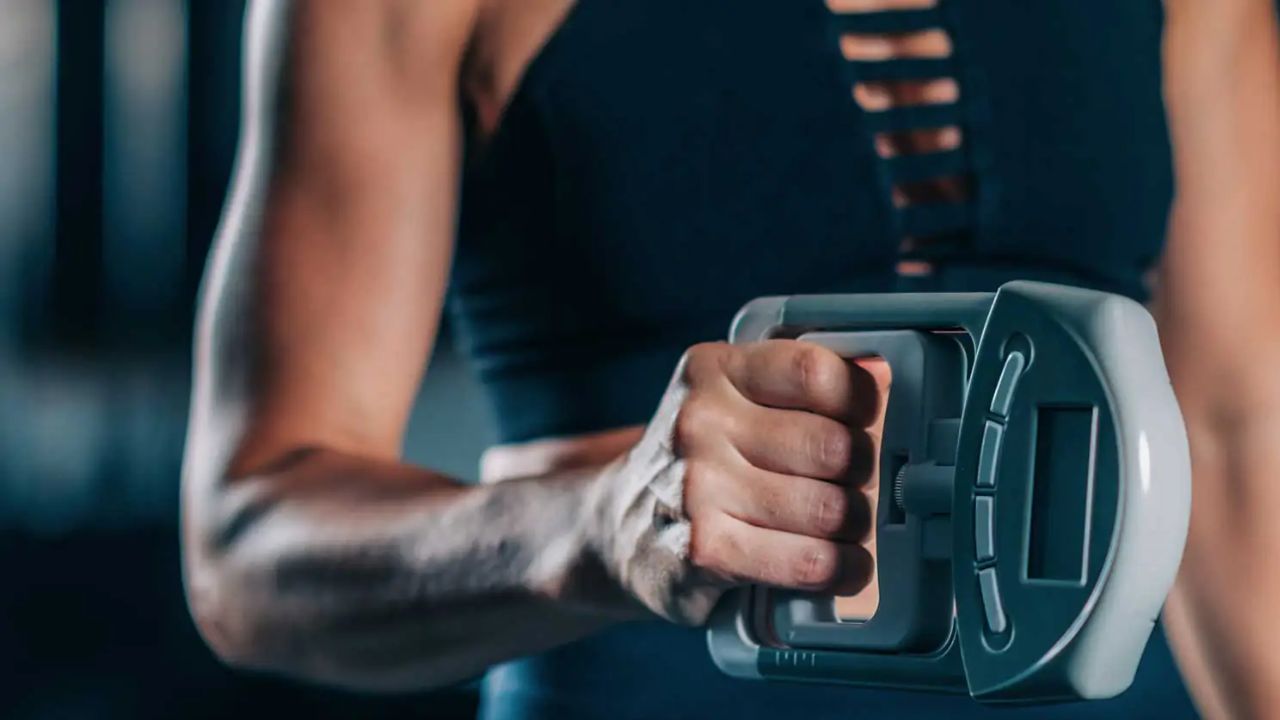
Walk into any sporting goods store and you will find spring-loaded grippers and squeeze balls. They are cheap and easy to use. But a preventive medicine physician quoted by Atria Health Institute makes a blunt point: a grip strengthener device alone will not meaningfully extend your life .
The reason is simple. The studies linking grip strength to longevity looked at people who built their grip through real-world activities. They carried groceries, lifted heavy objects, and moved their bodies. They did not sit at a desk squeezing a plastic ring . The benefit comes from the whole-body effort that produces a strong grip, not from the grip alone.
That said, grippers and putty have a place. If you are recovering from an injury or have joint pain that makes heavy lifting difficult, targeted grip work can help you maintain daily function . Use them as a supplement, not as your main strategy.
How to Train Grip Strength for the Long Haul
The most effective way to build grip strength is to make your hands work hard while your body does the heavy lifting. This approach builds functional strength that carries over into daily life.
Farmer's Carries
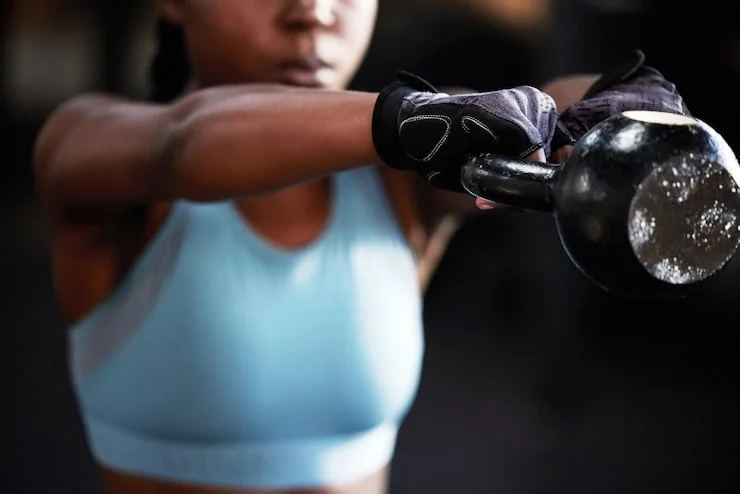
Pick up a heavy weight in each hand and walk. That is the whole exercise. You can use dumbbells, kettlebells, or even heavy grocery bags. The goal is to hold the weight securely while you move. Start with a weight you can carry for thirty seconds without losing your posture. As you improve, add time or weight.
One practical target for adults over sixty-five: men should aim to carry about sixty to seventy pounds total, and women about thirty-five to forty-five pounds, for thirty to sixty seconds . These numbers are linked to lower mortality risk. Start lighter and build up slowly. Your hands and forearms will adapt, but the connective tissue takes longer than the muscles. Give it time.
Dead Hangs
Find a pull-up bar and hang from it. You do not need to pull yourself up. Just hold on. This builds grip endurance and shoulder stability at the same time. If a full hang is too hard, keep your feet on the ground or on a chair to take some of your body weight off your hands . Begin with three to six sets of ten to thirty seconds. Work toward a continuous hang of sixty seconds .
Heavy Lifting
Deadlifts, rows, and pull-ups all demand a strong grip. When you lift a barbell off the floor, your hands must hold the weight while your legs and back do the work. This is the kind of whole-body training that the research points to. Start with a weight you can control and focus on keeping your grip firm throughout the movement. A personal trainer can help you learn the form, but you do not need to become a powerlifter. Two days a week of strength training is enough to see progress .
Simple Home Options for Beginners or Those with Joint Pain
If heavy weights are not an option right now, you can still train. Roll a hand towel into a tight cylinder and squeeze it as hard as you can for ten seconds, then release . Do this several times a day. A rubber band around your fingers, opened wide against the resistance, strengthens the muscles that balance your grip . Therapy putty offers graded resistance; start with the softest putty and squeeze it in your palm, then pinch it between your thumb and fingers .
You May Also Like: How To Improve Gut Health Naturally
How to Know If You Are Improving?

You can track your grip strength without a lab. A hand dynamometer is the standard tool, but you can also use a simple home test. Squeeze a bathroom scale between your hands, or use a grip gauge if you have one. What matters is the trend over time, not a single number.
For context, international norms from over two million adults show that grip strength peaks between ages thirty and thirty-nine. Men average about fifty kilograms at the peak, and women about thirty kilograms . After that, it declines. The decline speeds up in middle and late adulthood . You are not trying to beat a thirty-year-old. You are trying to stay above the level that research links to independence and grip strength for longevity.
A simple rule: if your grip is getting weaker year after year, that is a signal to act. If it is holding steady or improving, you are on the right track.
The Bigger Picture
Grip strength is a window into your overall health. It reflects how well your muscles, nerves, and blood vessels are functioning. But you cannot isolate it. The people in the studies who had strong grips were not just squeezing harder. They were carrying, lifting, and moving their bodies through their daily lives .
That is the real message. Train your grip by using your hands for real work. Carry heavy things. Hang from a bar. Lift weights. Do it two or three times a week. Eat enough protein to support your muscles. Sleep well. The strength in your hands will follow the strength in your body, and your body will reward you with more years of independence.
Start where you are. If you can only carry a light bag for twenty seconds, do that. Next week, carry it for thirty. Progress is the point. A strong grip at eighty is not about winning a contest. It is about opening your own jars, carrying your own groceries, and getting up from a chair without help. That is what longevity looks like in practice.